
When Should I Start Teaching My Child About Gratitude? The Power of Early Modeling

When you are in the trenches of early parenthood, your focus is mostly on just surviving: sleep, feeding, changing diapers, managing tantrums, and just trying to function day-to-day. It can be hard to even fathom trying to parent intentionally. It can sometimes feel all these “shoulds” become another thing on your “to-do” list. However, as an Infant and Early Childhood Mental Health Specialist (IECMHS), I know that the first five years are a critical window for teaching valuable social-emotional skills that get carried into older childhood, adolescence, and adulthood. This includes teaching and modeling gratitude.
One of the most common questions I hear from parents in Silicon Valley, where high achievement and competition are the dominant cultural perspectives, is: How do I ensure my child grows up to be kind and appreciative? In the early toddler and preschool years, gratitude is more than just using polite phrases, such as “please” and "thank you". Gratitude is a foundational building block for empathy, emotional awareness, and understanding. Children at this age are developmental mirrors; they reflect what ever the see modeled before them. The most effective way to teach this is through intentional modeling and repetition rather than lecturing or talking at them. The adage, do as I say, not as I do, doesn’t really work when thinking about how young children absorb information.
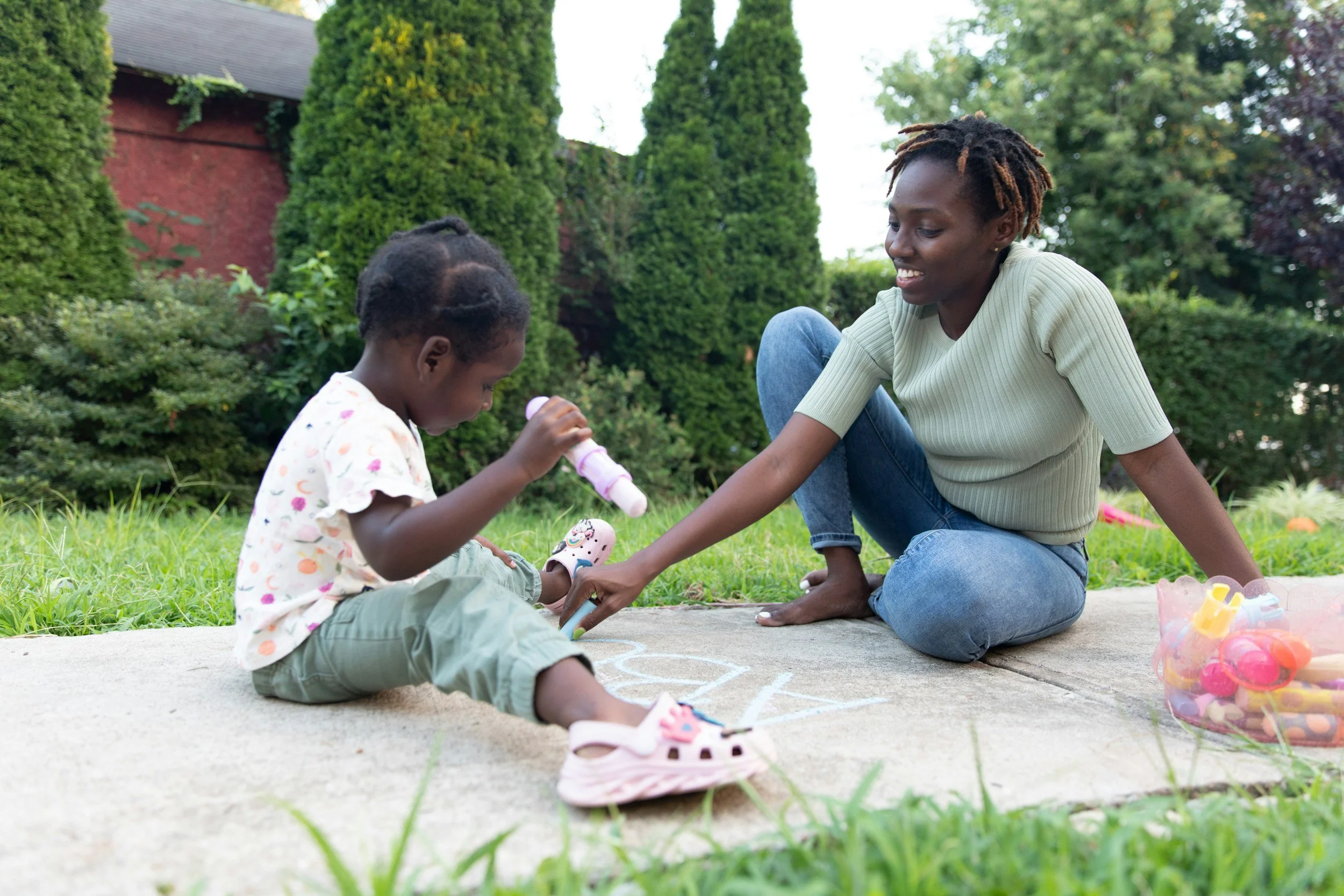
The Developmental Framework: Why Start Before Age Five?
You may have noticed, if you have a toddler or pre-schooler at home, that they can seem very self centered. Young children are naturally egocentric and it is a necessary part of their development. They believe the world revolves around them and their needs. Teaching gratitude is the beginning stages of getting them to gradually shift toward more "perspective-taking," the ability to understand that other people have feelings and intentions aka empathy. Research conducted by, Shoshani A, De-Leon Lendner K, Nissensohn A, Lazarovich G, Aharon-Dvir O. showed that teaching gratitude positively impacting a child (4-6 year olds) prosocial behaviors. By modeling gratitude, you are helping your child wire their brain to notice the good and act on helping behavior, which acts as a lifelong coping mechanism for Somatic Regulation and Anxiety.
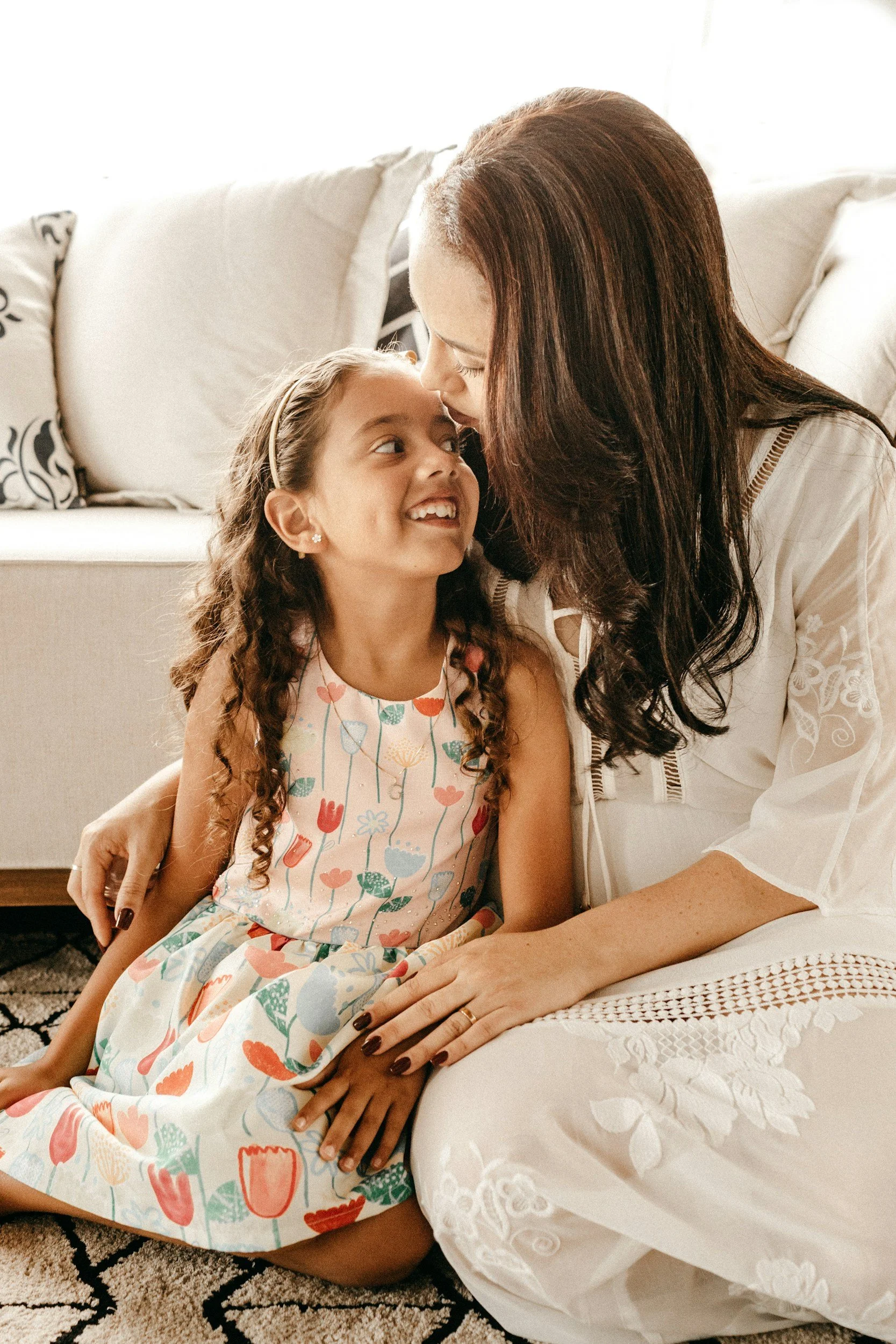
Strategies for Modeling Gratitude in the Home
1. The "Narrated" Thank You
Toddlers learn best through you narrating your internal thoughts. Instead of just saying a quick "thanks" to someone, narrate the why or specific reason behind the appreciation. That allows your child to hear the appreciation with the specific behavior. This is especially important when expressing appreciation towards your child. They want to know what they did specifically to receive the appreciation and positive attention.
What to say:"I’m saying thank you to Daddy because he helped me clear the table, and that made me feel so supported." or “You did such a great job sharing toys with your brother. I know it can be hard doing that, but you both looked like you had a lot more fun playing together.”
The Goal: You are connecting the act of kindness to a positive emotion. This is a core part of Independent vs. Engagement Play, where children learn that their actions have an impact on others.
2. Identifying "Glimmers" Out Loud
In my practice, I often talk about "glimmers", those tiny micro-moments of safety and joy. You can model this by catching a glimmer and naming it for your child.
The Moment: You are snuggling together either resting or reading a book at the end of the day.
What to say:"I love getting to spend time with you reading books. I am grateful to be your mom and getting to snuggle with you before bed."
The Goal: You are teaching them to pause and acknowledge positive moments in day-to-day life, a key to Somatic Regulation and Anxiety.
3. The Ritual of "Three Good Things."
A simple dinner-time or bedtime ritual can normalize the search for gratitude. For a preschooler (ages 3–5), you can ask: "What was one thing today that made your heart feel happy?"
Modeling first: Always start with your own example. "I was grateful for the big hug you gave me when I picked you up today."
The Goal: This helps them reflect on their day, which is a precursor to the deep self-reflection work.
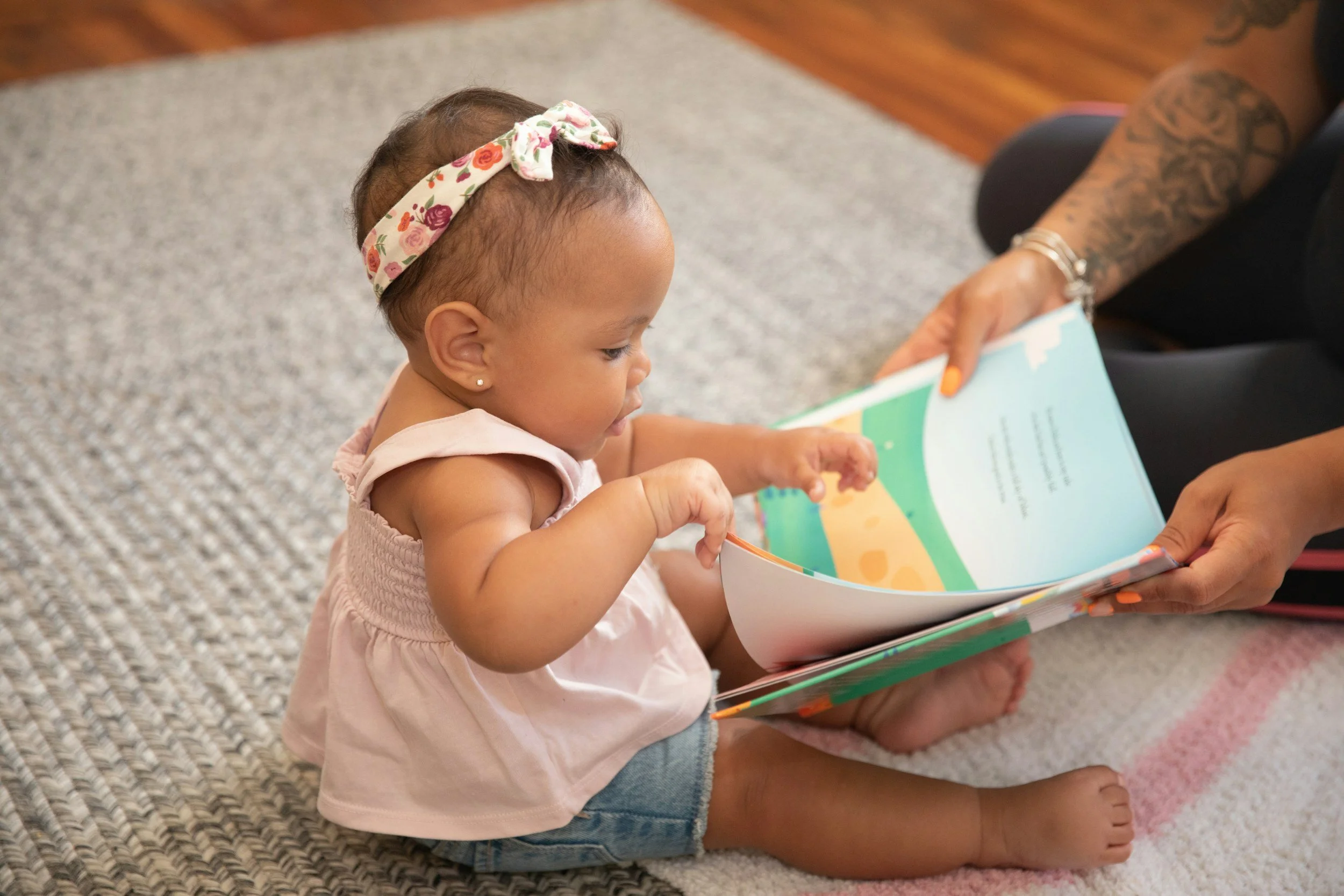
4. Using Bibliotherapy to Bridge the Concept
Books are one of my favorite tools and one of the most effective ways for teach complex or non-concrete concepts to children, including gratitude. It gives children the framework and language of appreciation before they fully understand the concept themselves. By reading together, you are showing that gratitude is a value your family prioritizes. Zero to Three provides a list of books to help with nurturing gratitude. Here are some other strategies and books you can use below:
The Strategy: As you read, pause and relate the story to your child’s life. "The character is so happy his friend shared the ball. Remember when we felt grateful that our neighbor shared their bubbles?"
Recommended Titles:
For Infants (0-2): 123s of Thankfulness by Patricia Hegarty (Simple and rhythmic).
For Toddlers (2-3): Honey Bear, I am Grateful For You by Slumberkins (focuses on being grateful).
For Preschoolers (3-5): I am Thankful by Sheri Wall (centered around Thanksgiving, but provides a lot of opportunities to be thankful.)

Moving from Performative to Authentic Gratitude
I hear a lot of parents worry about pressuring kids to say thank you. They want to encourage and teach gratitude, but struggle to find a way that doesn’t feel like it is forced. Sometimes that forced gratitude can lead to a sense of shame or just saying it automatically and not really meaning it. Here is how you can fix that. Instead, focus on authentic appreciation.
Model the feeling, not just the word: If a friend gives your child a gift, and your child is too shy to speak, you can model it for them: "We are so grateful for this thoughtful gift!"
The Goal: This reduces the load on the child to engage in gratitude and “perform”, but still lets them observe and engage in the positive social connection.
Navigating the Internal Conflict
I recognize that for many mothers, modeling gratitude can feel difficult when you are also navigating other major tasks in raising a family, working, parental burnout or a high-stress environment. It’s hard to model thankfulness when you feel like you are just barely keeping your head above water or just barely surviving.
This is where the work of therapy becomes so valuable. In my practice, I help parents clear the emotional noise, find healthy and manageable ways to cope with the daily load of modern life, so that they can show up more authentically for these small, foundational moments. When we address our own history with gratitude and boundaries, it becomes much easier to lead your child with intention.
If you’re navigating the complexities of the early years and want to build a more intentional, connection at home, I invite you to reach out. Please contact me for information regarding scheduling and pricing for therapy services in the South Bay.
