

Healing the Bond After Trauma
Child-Parent Psychotherapy

The early years of parenting can feel like you are constantly trying to protect your child from the stress, trauma, or patterns that you experienced yourself.
You are worried about causing any type of distress or trauma for your child. You fear the patterns you see in your child will lead them to similar experiences you are still healing from. You are constantly scanning for the next bad thing to happen, but also feeling paralyzed about how you could handle it.
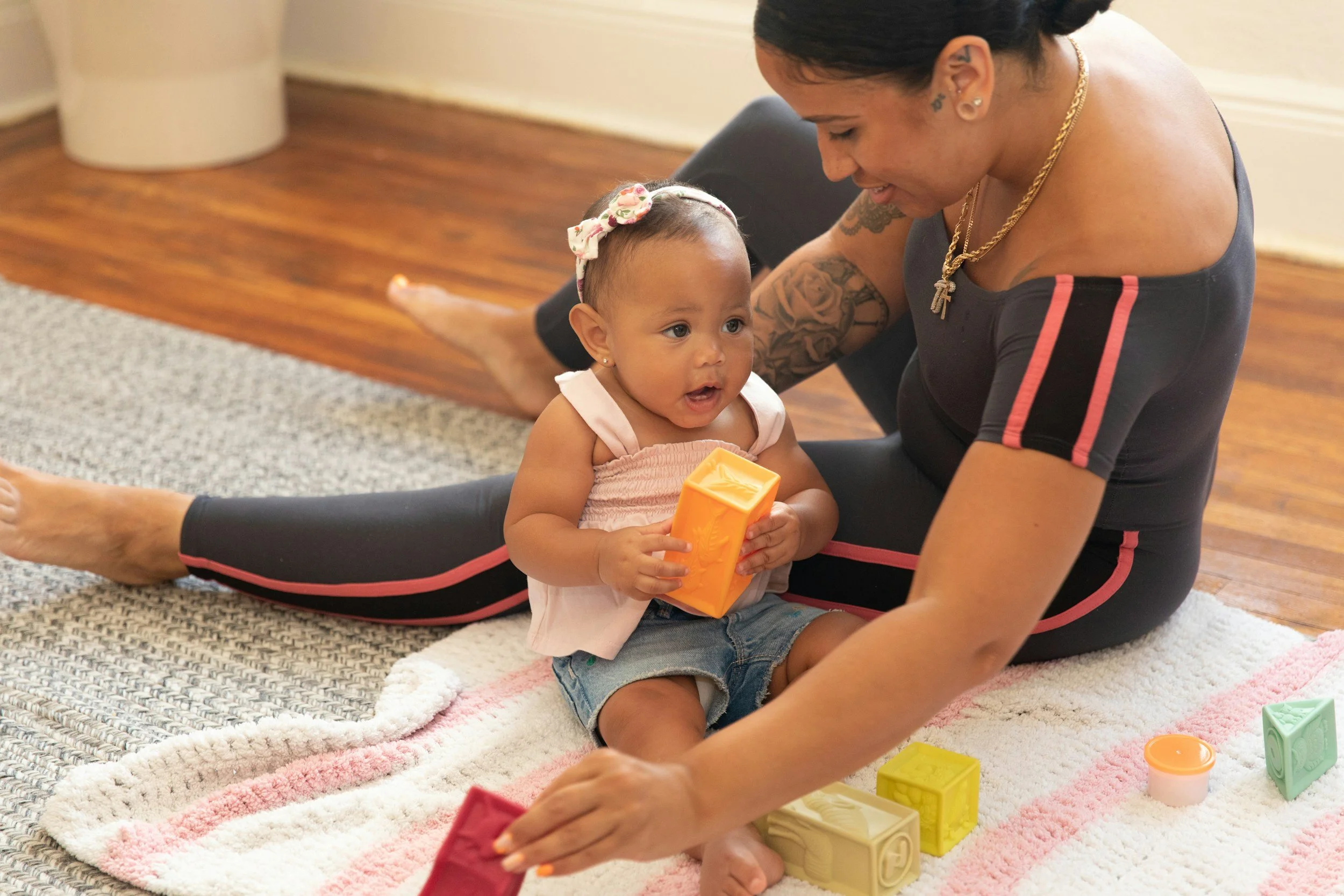
Child-Parent Psychotherapy (CPP) is a specialized, evidence-based treatment designed specifically for children aged 0-5 and their caregivers. In the fast-paced, high-pressure environment of Silicon Valley, the "ghosts" of our own upbringing or the echoes of a difficult birth can often interfere with the present-day relationship with our children.
Child-Parent Psychotherapy doesn't treat the child or the parent in isolation; it treats the dyadic relationship itself. By navigating the identity earthquake of motherhood through a relational lens, we work to restore safety and joy, ensuring that your child feels secure and you feel grounded in your role as their protector and their supporter.

-
CPP focuses on establishing safety for all those involved in the session. Unless safety is confirmed, neither you nor your child will be able to move forward in healing. CPP begins the process by establishing safety in order for the child to feel protected, and the parent feels capable of providing that protection. This starts with physical safety through nervous system regulation. Then moving towards emotional and mental safety and processing.

-
CPP provides a space for translating a child’s behavior that allows parents not to blame the child, but to understand the why behind the behavior. This allows the parent to respond with intention instead of reaction. This can preserve the attachment between parent and child rather than continuing the sense of disconnection.
-
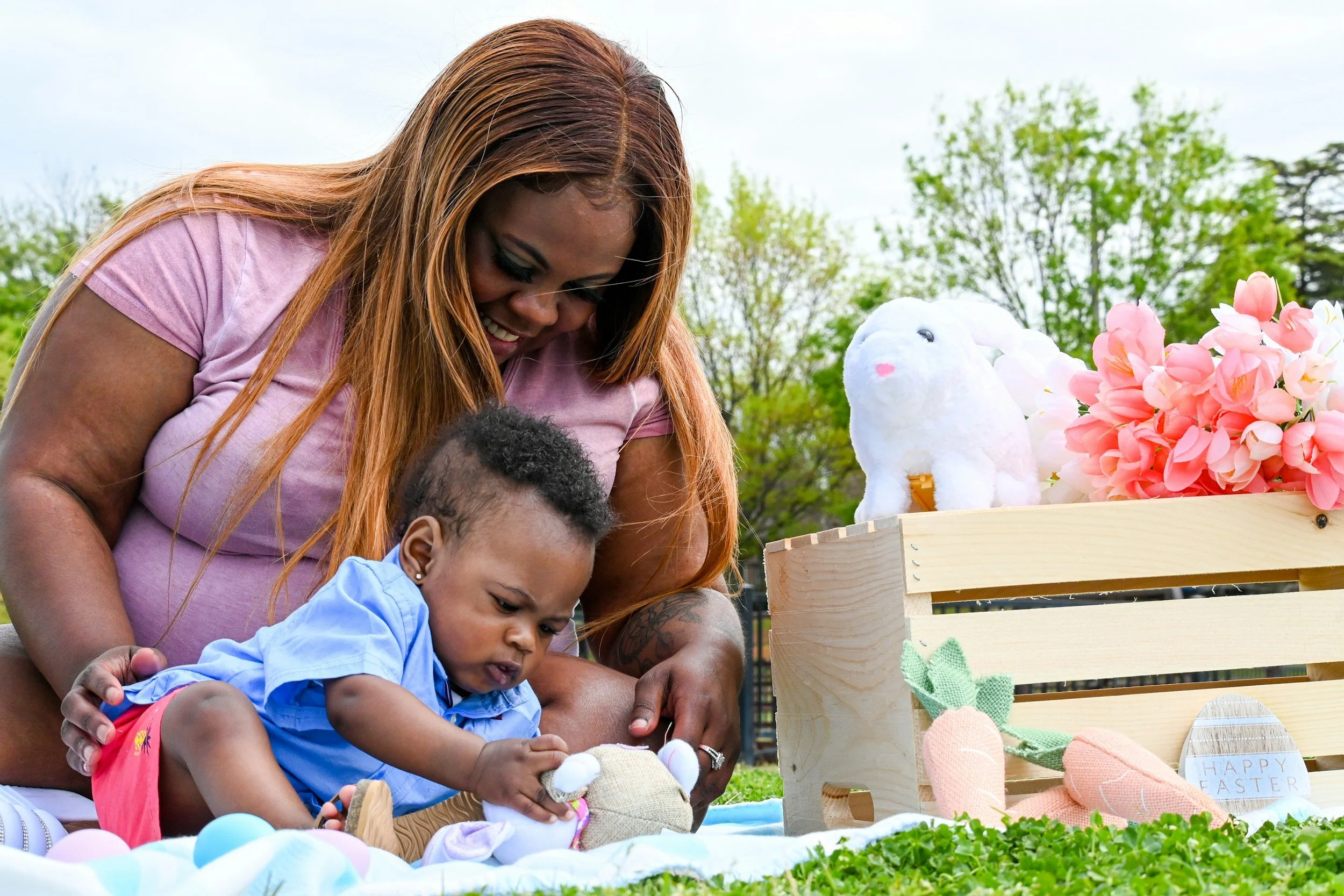
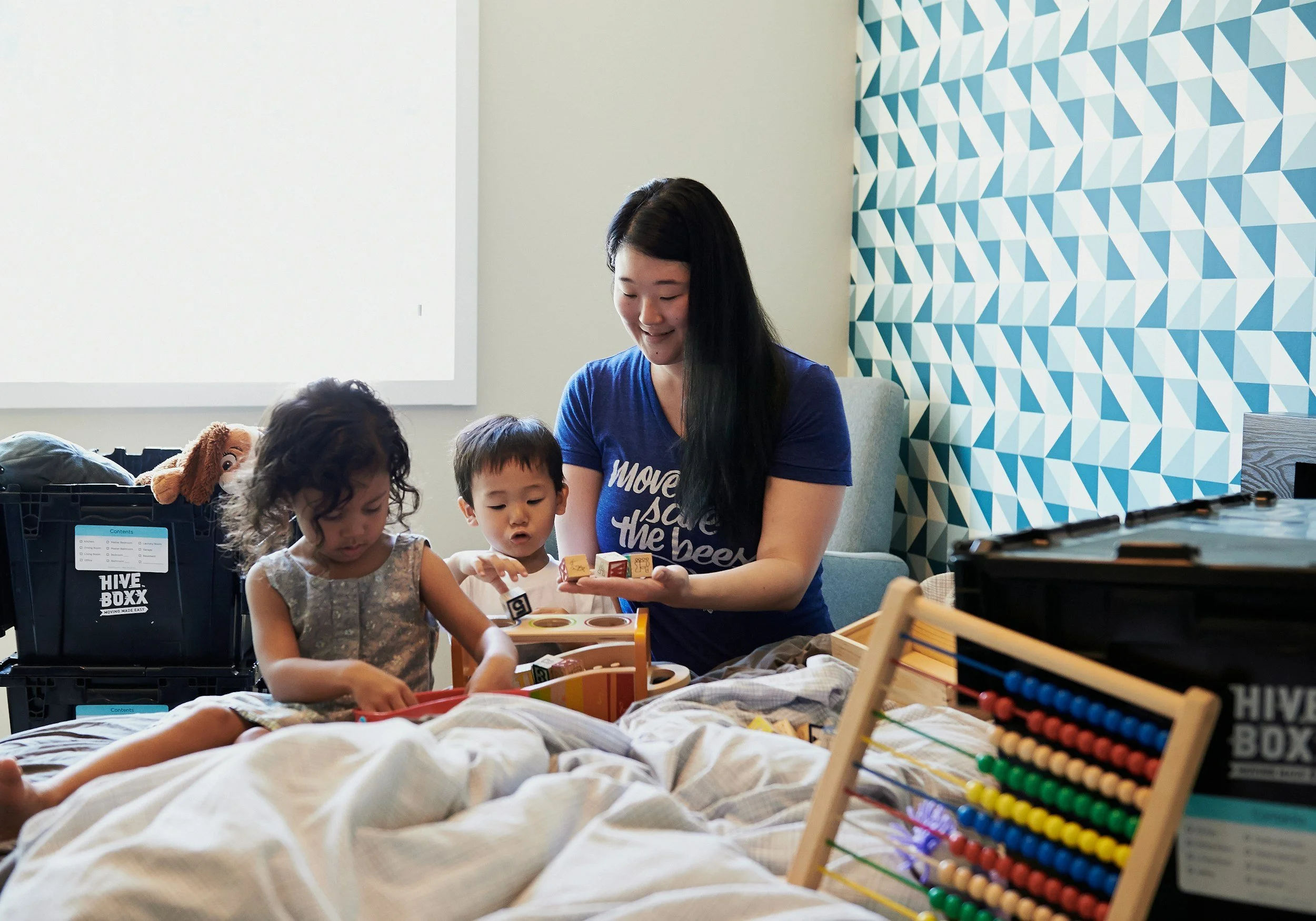
Play is the natural language of children. Therefore, in order to support them in processing difficult or stressful experiences, it needs to be done through play. This allows us to bring joy and delight back into the experience, which can feel overwhelming and heavy. Even after the experience of an identity earthquake in becoming a mother, engaging in play with your child can help heal your childhood experiences, along with your child.
Through play, observation, and shared reflection, we work to understand the meaning behind your child’s behavior and rebuild a sense of safety and joy in your bond.
Processing Shared Trauma: If your early journey involved birth trauma, or other types of trauma, CPP helps you and your child process that experience together so it no longer impacts your daily interactions.
Breaking Generational Cycles: Identifying the "ghosts in the nursery", those patterns from your own childhood, so that you are intentional about how you want to parent your child.
Enhancing Dyadic Connection: Strengthening the attachment bond through guided interaction, helping you read your child’s cues with confidence and less anxiety.
Regulating Together: Integrating somatic regulation into parenting, teaching you how to calm your own nervous system so you bring your calm to your child’s big feelings.
Supporting Development: Using infant insights to understand age-appropriate behaviors, reducing your frustration from unrealistic expectations.
Navigating the Identity Earthquake: Supporting the transition to motherhood by validating that a healthy child requires a parent who feels seen, heard, and supported in their own right.
Frequently Asked Questions
-
Child-Parent Psychotherapy (CPP) is an evidence-based treatment specifically designed for children aged 0-5 and their caregivers who have experienced stressful or traumatic events. The goal of CPP is to support and restore the bond between parent and child, helping the family process difficult memories together through play, communication, and shared reflection.
-
Yes. Birth is the first shared experience between parent and child. If it was a traumatic birth, regardless of who was physically affected, CPP provides a framework for processing that experience, so it becomes a part of your story, rather than continuing to impact the connection between you and your baby.
-
In CPP, rather than focus on the mother or the child as separate in processing the traumatic experience, the client is actually the relationship itself. We view the parent-child relationship as a unique entity that requires its own care. While we will focus on your child’s sense of safety, we also hold space for your experience as a parent, especially if your transition into parenthood has left you feeling depleted or triggered. By working together, we ensure you don't feel watched or judged, but rather supported.
-
While many parenting programs focus on behavioral strategies, we are not just teaching you how to manage your child's actions. CPP is a deep-rooted clinical intervention. Instead of just looking at the behavior, we look at the relationship of the dyad, child and parent, and the "ghosts in the nursery”. We explore how your own history, or a shared experience like birth trauma, might be affecting how you and your child perceive one another.
-
CPP is meant not only to focus on you or your child, but also on the relationship between you. At this age, the therapy is about the "space between" you. We look at how you communicate through serve and return cycles, how your co-regulation is created, and how your own history might be affecting how you understand your baby’s needs.
-
CPP is a modality that involves deep work rooted in trauma, attachment, and regulation. This means it typically involves weekly sessions, not just one or two weeks, but depending on the situation, a few months to truly heal. However, the goal is long-term stability. It is an investment in the connection now to prevent behavioral or emotional challenges as your child gets older.
-
Absolutely. Often, the identity earthquake of a second child can re-trigger former traumas that weren't addressed the first time. CPP is an excellent way to ensure the transition to a larger family is grounded in security, connection, and regulation not just for your and your older child, but also for the new addition to the family.