
What Is the Role of Fathers in Postpartum, and Can They Get Postpartum Depression?
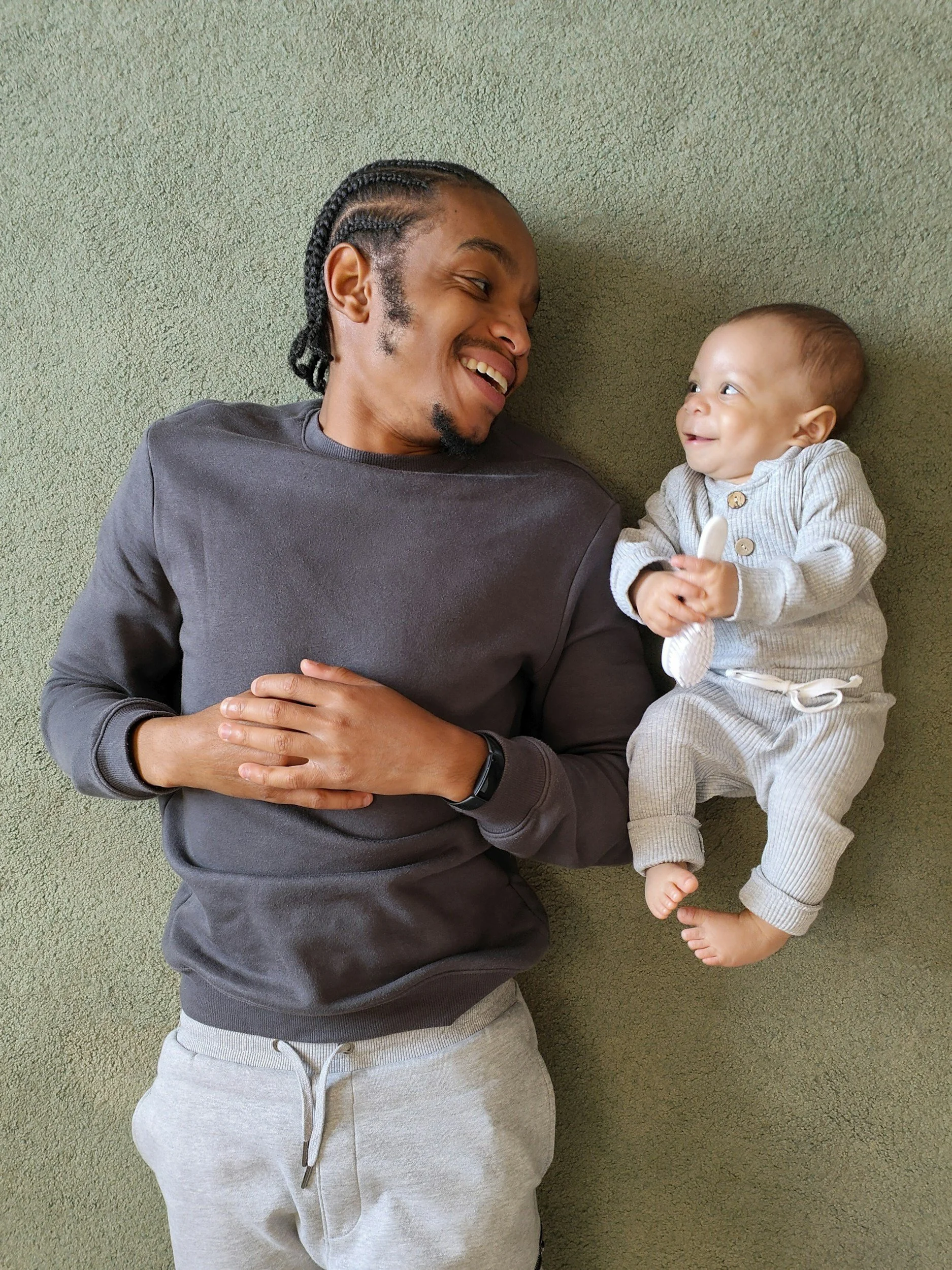
For decades, the conversation surrounding postpartum depression and, now anxiety, has focused mostly on mothers or the birthing parent. While it continues to be important to center mothers and birthing parents for screening, treatment, and support for any Perinatal Mood and Anxiety Disorder (PMADs), it is also becoming clear that it is just as important to include fathers and non-birthing parents for the same screening, treatment, and support. Fathers and non-birthing parents are more than just babysitters for their children. They are foundational attachment figures, supportive caregivers, and providers for the entire family system.
When we look through a clinical lens during the postpartum period, protecting and treating paternal mental health is an essential service for families. An attuned, emotionally regulated father or non-birthing parent acts as a protective factor to the mother or birthing parent in reducing their risk of PMADs. This is a symbiotic relationship also true, if mothers and birthing parents are also attuned and emotionally regulated, then that reduces the risk for fathers and non-birth parents from being diagnosed with PMADs as well.
It shouldn’t be controversial that fathers can experience postpartum depression and anxiety themselves. Fathers and non-birthing parents experience go through a similary identity shift and adjustment period when a baby is born. Society assumes that a criteria for diagnosing for PMADs is actually giving birth or physiological changes in the body. While those are components to consider it is not exclusive to the diagnoistic criteria. It is just as important to consider, history of mental health, social supports, birth trauma, social-economic factors, and their baby’s overall health and wellbeing. All these factors contribute to a PMADs diagnosis, which includes fathers and non-birthing parents experiences.
How Paternal Postpartum Depression Shows Up in Fathers
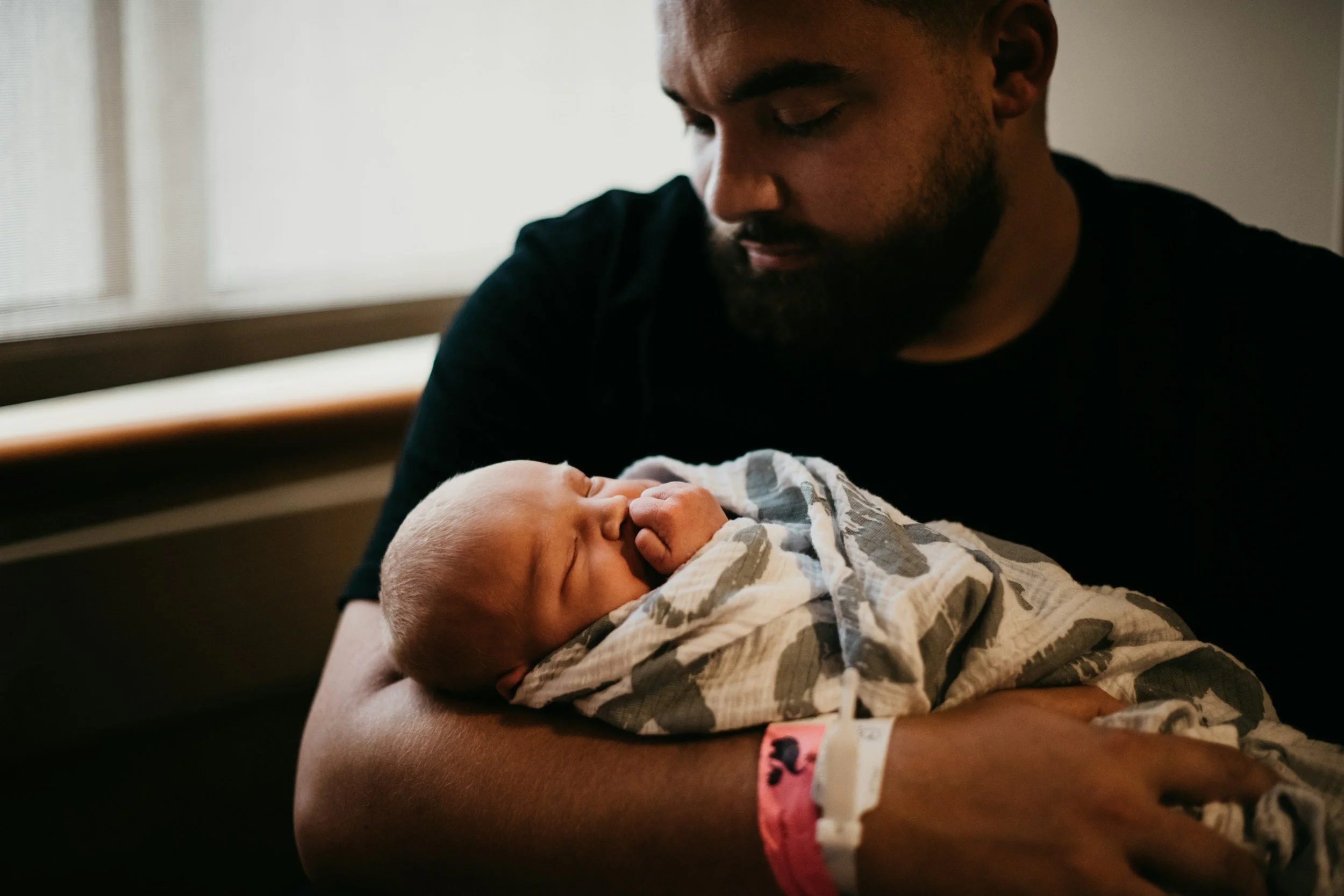
According to data published by Dr. James Paulson, approximately 1 in 10 new fathers develop paternal postpartum depression, and that number spikes dramatically to up to 50% if the mother or birthing partner is also struggling with a PMAD diagnosis.
As mentioned earlier, there are many social factors that contribute to a diagnosis of PMADs. Fathers and non-birthing parents are also going through physical changes, similar to mothers and birthing partners. Men experience measurable hormonal shifts during the perinatal period, specifically drops in testosterone. This shift is believed to happen in order to support more caregiving behaviors in fathers and non-birthing parents towards their partner and their baby. While this is necessary for the immediate caregiving needs of the family, lower testosterone can also lead to chronic fatigue, increased irritability, mood swings, and fat and muscle changes.
It can be difficult to screen, diagnosis, and treat fathers and non-birthing parents struggling with PMADs because their symptoms may present differently from mothers or birthing parents. These symptoms may get dismissed, accepted as normal “male” behavior, or considered acceptable as normal during the newborn stage. These symptoms include:
Increased irritabiliy or anger
Social withdrawl from partner or family members
Escapist behavior (diving into work, gaming, or social media)
Sudden weight gain or lost
Digestive or stomach issues
Poor concentration
Struggles with sleeping (either insomnia or excessive tiredness)
Feelings of worthlessness
Avoidance of caregiving
Many of these symptoms can be considered “normal” experiences during the initial postpartum period. Symptoms like tiredness, poor concentration, weight gain/loss, or escapist behavior can, in isolation, be viewed as part of the experiences when going through the postpartum period. However, in combination with other factors and context, they may represent a deeper mental health concern that needs treatment and support.

The Importance of Fathers as Part of the Support System in Postpartum
When a father’s mental health is supported, his capacity to support and care for his partner and his baby increases. Research shows one of the largest factors for protecting mothers and birthing parents from a PMADs diagnosis is receiving emotional and logistical support from a partner. This can look like preserving the mother or birthing parent's sleep, validating their emotional states, and stepping into early infant care whenever they can.
How a father or non-birthing partner can achieve this is through receiving their own emotional and logistical support during the initial postpartum period. This can look like getting support from family and friends to get breaks and address necessary household tasks, connecting and building relationships with other fathers and non-birthing partners, educating themselves on infant care, and getting support from a mental health professional.
Supporting the Whole Parenting Team
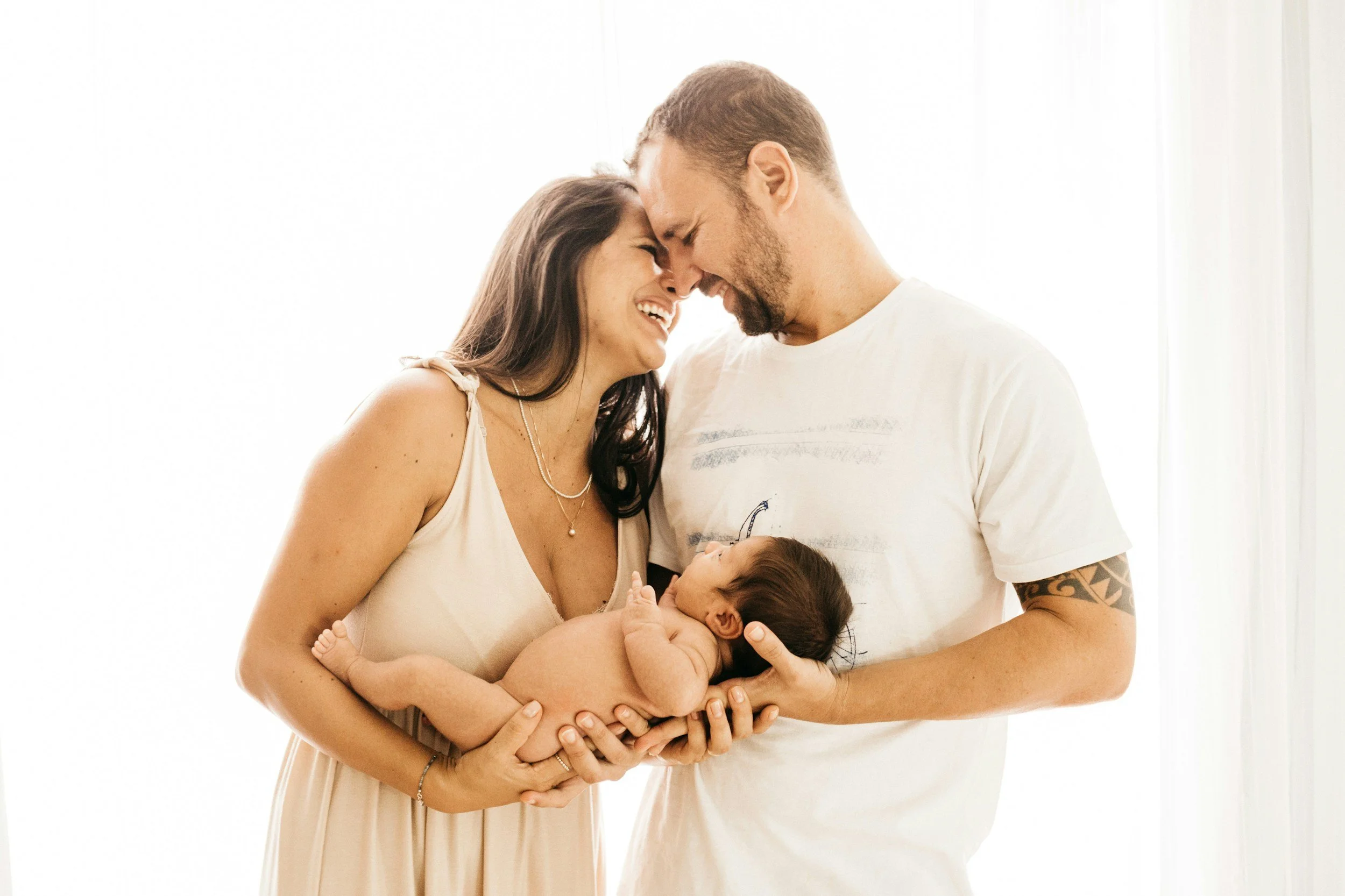
Just like how mothers and birthing parents go through an identity earthquake when they become parents, fathers and non-birthing parents also go through an identity earthquake on how they relate to their career, to themselves, and to their partners. For fathers and non-birthing partners navigating high-pressure corporate environments in the South Bay, the societal expectations of manhood and fatherhood, and the isolation of postpartum period can be overwhelming. These adjustments are happening while simultaneously navigating their partner’s physical and mental recovery, infant care, and sleep deprivation. With all these pressures and changes happening, you have a recipe for burnout and mental health struggles.
If you or your partner are noticing increased irritability, emotional withdrawal, or severe anxiety during this first year postpartum, please know that this is a recognized, treatable clinical condition for both parents. Protecting your mental health is one of the best things you can give to your baby. You are welcome to learn more about my services and treatment. Schedule a free consultation to support your journey into parenthood.
