
Raising Our Little Ones in a Fractured World
As we move through 2026, the closeness and connectedness of our homes is increasingly interrupted by the loud and overwhelming reality of the outside world. For parents, there is a specific kind of heartache that comes with reading the morning headlines. We are witnessing a cycle of violence that feels both relentless and personal. News of ICE shootings and enforcement actions that shatter local communities, reports of nations invading or bombing sovereign territories without explanation or reasoning, and the agonizing images of children being kidnapped or deported can feel like it is happening 24/7 and at our front doors. For some, it has actually been at their front doors and impacted them directly.
In my practice in Silicon Valley, the heart of the tech world, I often sit with mothers who feel a sense of "moral vertigo." They want to teach their children about kindness and safety, even as the world outside seems to be working against them. Specifically, I see a recurring emotional struggle: the desire to raise girls who are strong and assertive enough to navigate a world that may try to shrink them, and boys who are emotionally aware enough to dismantle the cycles of violence that have plagued generations.
This task feels impossible and monumental when the global landscape is marked by the displacement and mistreatment of the most vulnerable. How do we foster resilience without creating hardness and cynicism? How do we encourage empathy without inducing despair and anxiety?

The Weight of the World: Parenting Amidst Systemic Trauma
Parenting does not happen in a vacuum. When we see families separated at borders or children being harmed due to geopolitical conflicts, it triggers a protective instinct. For many mothers, this creates a form of secondary or vicarious trauma. You aren't just "sad" about the news; you are physically and emotionally overwhelmed by the realization that the safety we want for our children is fragile or maybe feels non-existent.
The Impact of Modern Atrocities
Events like state-sanctioned child separation or the invasion or bombings of countries aren't just political talking points; they are direct assaults on our concept of "the village."
The "Safety Illusion": Witnessing violence against children elsewhere makes it harder for parents to maintain the sense of security necessary for a child's healthy development. Even if the violence isn’t outside our door, it can feel like it is because it’s flooded on our social media feeds and news with pictures and videos.
Moral Injury: When our government or global leaders act in ways that violate our deepest values (like the kidnapping and deporting of children), we experience moral injury. We feel a sense of betrayal that we then have to navigate while trying to be a stable "anchor" for our own kids.
In my work, I emphasize that these feelings are not a sign of "anxiety" in the clinical sense; they are a sane reaction to an insane world. The goal of our work together isn't to "get over" or “ignore” these feelings, but to integrate them so they don't paralyze your parenting.
But then what? You have integrated these feelings and found healthy ways to deal with them to manage your mental health, but you still have to try to raise your children that align with your values on gender norms and expectations, with a world that doesn’t match what you want to teach. These values will look different based on your goals and whether you are raising girls or boys.
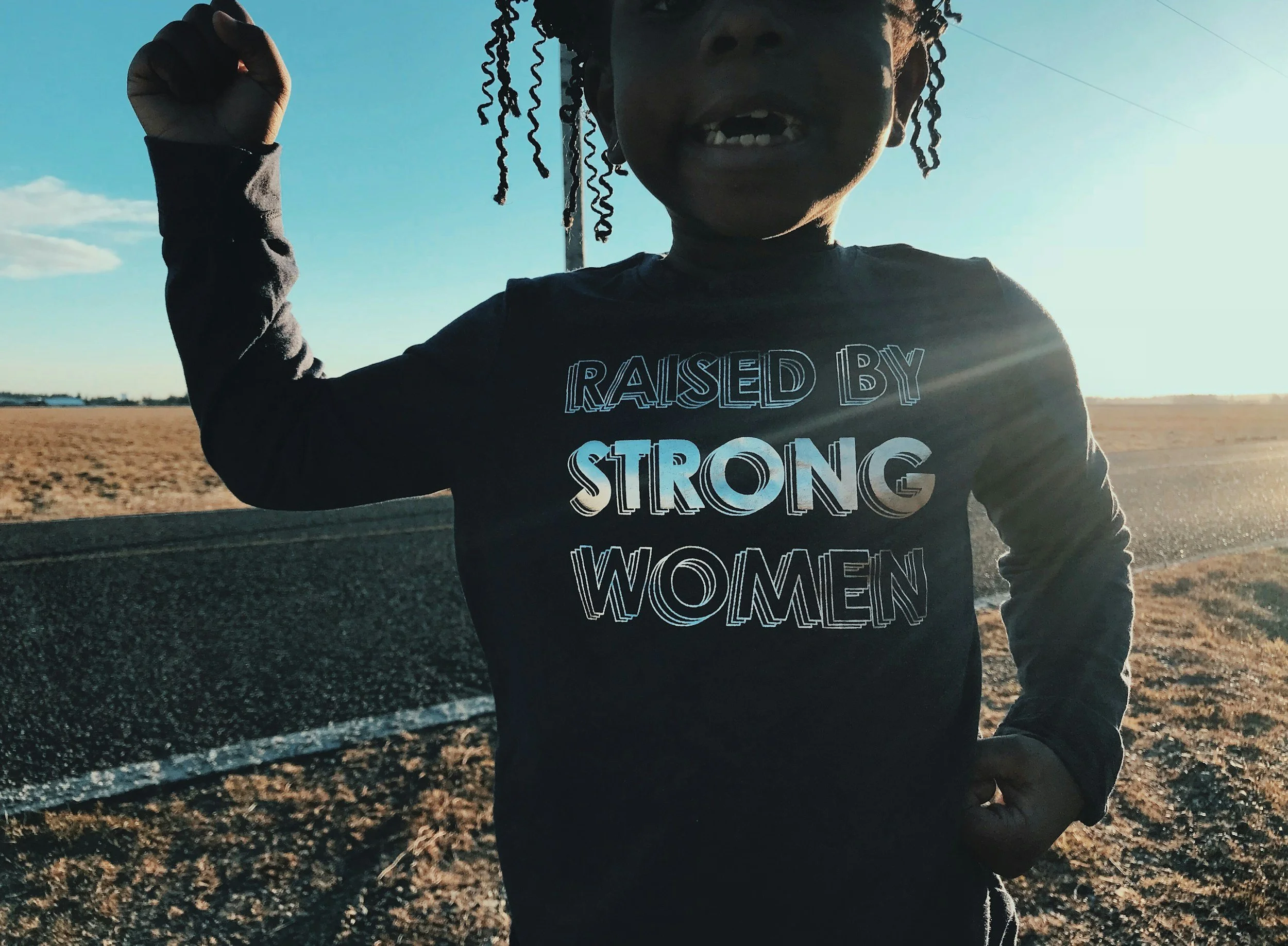
Raising Empowered Girls: Moving Beyond "Brave" to Independent.
To raise a strong girl in 2026 means more than just telling her that she can be a scientist or an athlete. It means giving her the emotional and physical tools to claim her own space and boundaries in a world that often rewards female compliance. This also looks different at different phases of parenting, but you can start that messaging from birth.
Redefining Strength
Strength for a girl isn't just about physical toughness; it’s about independence. It is the ability to say "No" without an apology. It is the confidence to trust her own intuition when something feels "off," even if social norms tell her to be "nice."
Practicing Boundaries: Strength begins with bodily autonomy. We teach girls that they have the final say over their bodies, from who gets a hug to how they express their style. Being able to teach your daughter to understand consent as early as toddlerhood helps her know when to say no and stick with it when it matters in her teenage and young adulthood years and beyond.
Heroic Media: We must actively curate the stories our daughters consume. They need to see women not as "accessories" to a hero’s journey, but as the architects of their own lives. This can look like books with female protagonists and tv shows and movies with female heroines. Mixing fictional characters with real-life heroines to broaden their perspectives can help give a diversity of stories and experiences.
Raising Emotionally Aware Boys: The Antidote to Violence
If raising strong girls is about claiming space, raising emotionally aware boys is about expanding the heart. The traditional "boy code", which prioritizes dominance, stoicism, and the suppression of vulnerability, is the foundation upon which cycles of violence are built.
Dismantling the "Lonely Men Pandemic"
When boys are told that anger is the only acceptable "masculine" emotion, we set them up for a lifetime of difficulty and isolation. To raise an emotionally aware boy in a world of ICE shootings, invasions, and bombings is to teach him that his greatest strength lies in his capacity for empathy and understanding.
The Full Spectrum of Emotion: Boys need to be able to understand and experience the full range of emotions, in age-appropriate and healthy ways. including but not limited to: sadness, disappointment, jealousy, and fear. When a boy is allowed to cry without shame, he is learning that he doesn't need to turn his pain into aggression. It is key to direct the behavior for expressing the emotion to be expressed appropriately, rather than suppressing the emotions. All emotions are acceptable, but not all behaviors for expressing those emotions are acceptable.
Accountability as Care: We teach boys that being "strong" means standing up for those who are being mistreated. This is the direct antidote to the "bystander effect" that allows systemic violence to persist. This can start early in toddlerhood by providing a script for boys to use when they see something that isn’t right. Boys also need to see characters do this in the media they are consuming, like books and TV shows/movies as well. As the parent, you can call out the situations when a character was able to stand up for what was right without being aggressive.
Practice Tools: Moving from Paralysis to Agency
The most common side effect of global trauma is a sense of "learned helplessness." We feel that because we cannot stop a war or end a deportation policy, our actions don't matter. But for our children, our actions are their primary education in ethics and values.
Below are tangible ways to move your family toward agency. These aren't "one-size-fits-all" solutions; they are tools that you can adapt to your family's unique capacity and circumstances.
1. The Power of the Civic Voice
Let your children see you engaging with the systems that govern our world.
Contacting Representatives: Write a letter or make a phone call to your representative regarding the treatment of immigrant families or foreign policy. If your children are older, let them dictate a sentence for the letter. It teaches them that in a democracy, we are not silent. See my blog post for more about this process.
The "Why" Conversation: Explain your actions: "I am writing this because I believe every family has the right to be together and safe. I want the people in charge to know that we care about this."
2. Strategic Giving and Volunteering
Turning "empathy" into "action" reduces the anxiety of witnessing suffering.
Direct Aid: Choose organizations that provide legal aid to families facing deportation, medical support, or food to children in conflict zones. If your child is earning an allowance, make sure they set aside some of their money for donating to groups that they are interested in donating to as well.
Local Volunteering: If possible, volunteer at a local refugee resettlement agency or a community center that supports marginalized families. Even small acts, like sorting clothes or packing kits, show your children that we are "the helpers" Mr. Rogers spoke of. Even young children can be involved in volunteering activities.
3. Curation of the "Home Library"
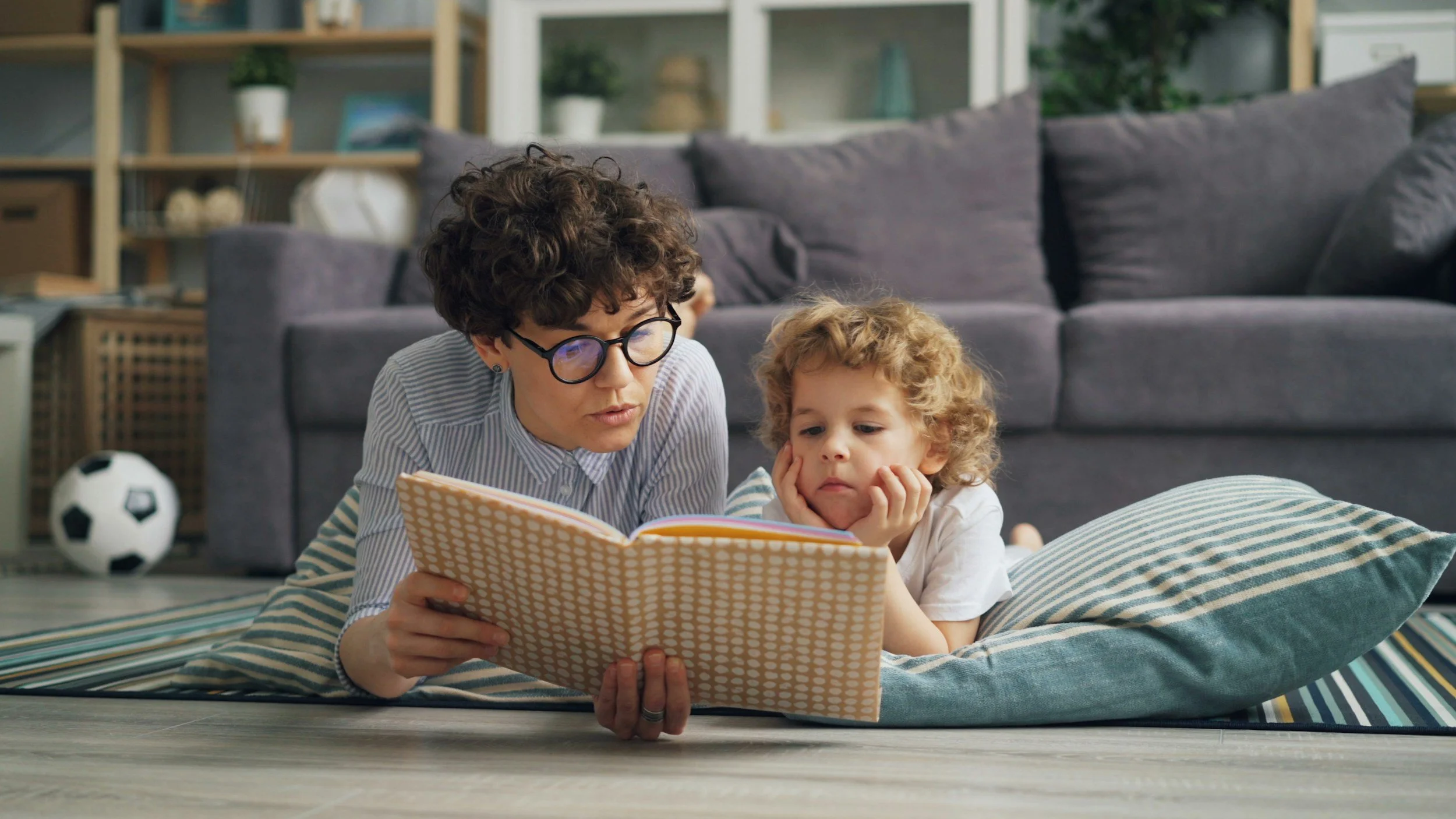
Books are the windows through which our children see the world before they step out into it. I am a big advocate for using books to express your values, even if your child is still an infant, toddler, or preschooler. Fill your shelves with stories that center on Equality, Diversity, and Inclusion (EDI).
Recommended Reading for Global Empathy:
On Immigration and Belonging: No Matter What, We All Belong by Becky Davies or The Journey by Francesca Sanna. These books humanize the migration experience and encourage acceptance of others.
On Gender and Identity: Pink is for Boys by Robb Pearlman or Julian is a Mermaid by Jessica Love. These stories normalize the idea that there is no "right" way to be a boy or a girl.
On Social Justice: A Kids Book About Racism by Jelani Memory or All Are Welcome Here by Alexandra Penfold. These provide a guide for talking about difficult topics with young children, but also how to be inclusive of others.
Navigating the Internal Conflict
I recognize that as a mother, you are also navigating your own fears. How do you tell your daughter to be "strong" when you feel weak from the news? How do you tell your son to be "gentle" when you are filled with intense rage?
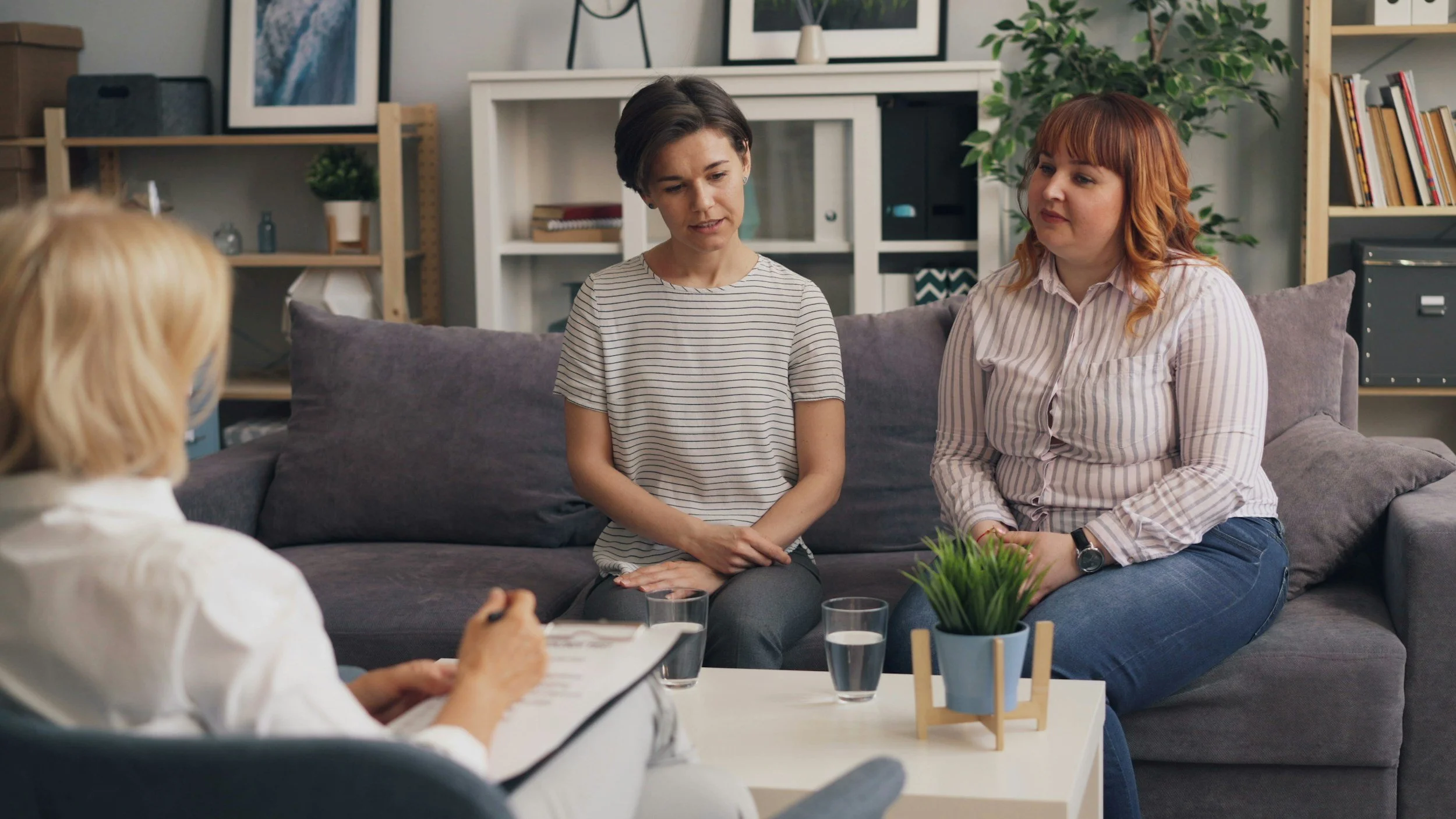
This is where therapy with a provider who can specifically address these concerns becomes essential. At Early Bonds Therapy, I don't just give you a script; I will help you find your own voice amidst the noise.
We look at your own "emotional inheritance": what were you taught about strength and vulnerability as a child?
We develop "pacing" strategies so you can stay informed without being traumatized by the 24-hour news cycle.
We create a personalized "parenting manifesto" that clarifies your values, so that when the world feels chaotic, you have a North Star to follow.
My philosophy around therapy services is rooted in relational connections with my clients. I understand that the weight of raising the next generation is heavy, especially when you are doing it in the shadow of global events that are not aligned with your values. You don't have to carry that weight alone.
A Call to Mindful Parenting
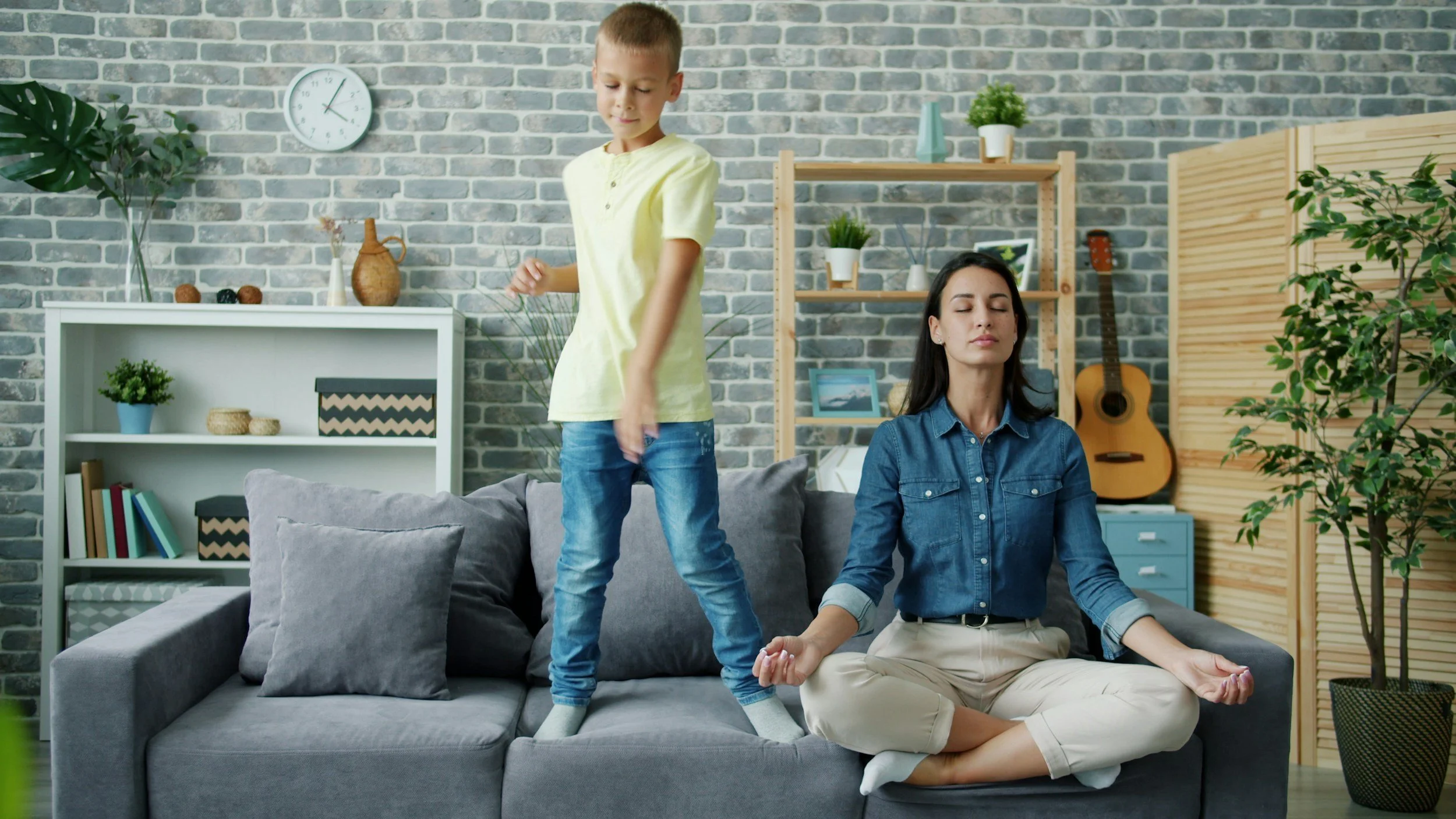
Raising strong girls and emotionally aware boys is an act of revolutionary hope. It is a statement that you believe in a future that is better than the present. By refusing to let the violence of the world dictate the emotional climate of your home, you are breaking the cycle.
You are creating a sanctuary where a girl can be powerful and a boy can be tender. In doing so, you are raising the very people who will one day demand an end to violence, war, disruption, chaos, and who will ensure that no child is ever again kidnapped or deported.
If you find yourself struggling to maintain your own emotional equilibrium while raising your children in these turbulent times, I invite you to reach out. Please contact me for information regarding scheduling and pricing, and let’s work together to nurture the resilience and empathy your family needs.
