
Raising the Next Generation: Nurturing Strength in Girls and Empathy in Boys (0-5)

In my solo practice, I often hear from Silicon Valley mothers who feel pressured and overwhelmed when raising their children. They want to make sure that they don’t struggle with the same issues they did, but are uncertain about how to reach those goals. Specifically, I hear most often the desire for strong, independent, and brave girls and empathetic, kind, and caring boys.
As an Infant and Early Childhood Mental Health Specialist (IECMHS), I understand and deeply feel these desires as a mother of 2 boys who is trying to raise them with empathy, kindness, and with emotional awareness. As their parent in these early years, you know that how you show up now will guide how they show up in the world outside of the home. This is the time to build the foundations for these skills, so that, instead of the world breaking them, they can hold firm to the internal messages established during these first 5 years.
Raising Empowered and Independent Girls
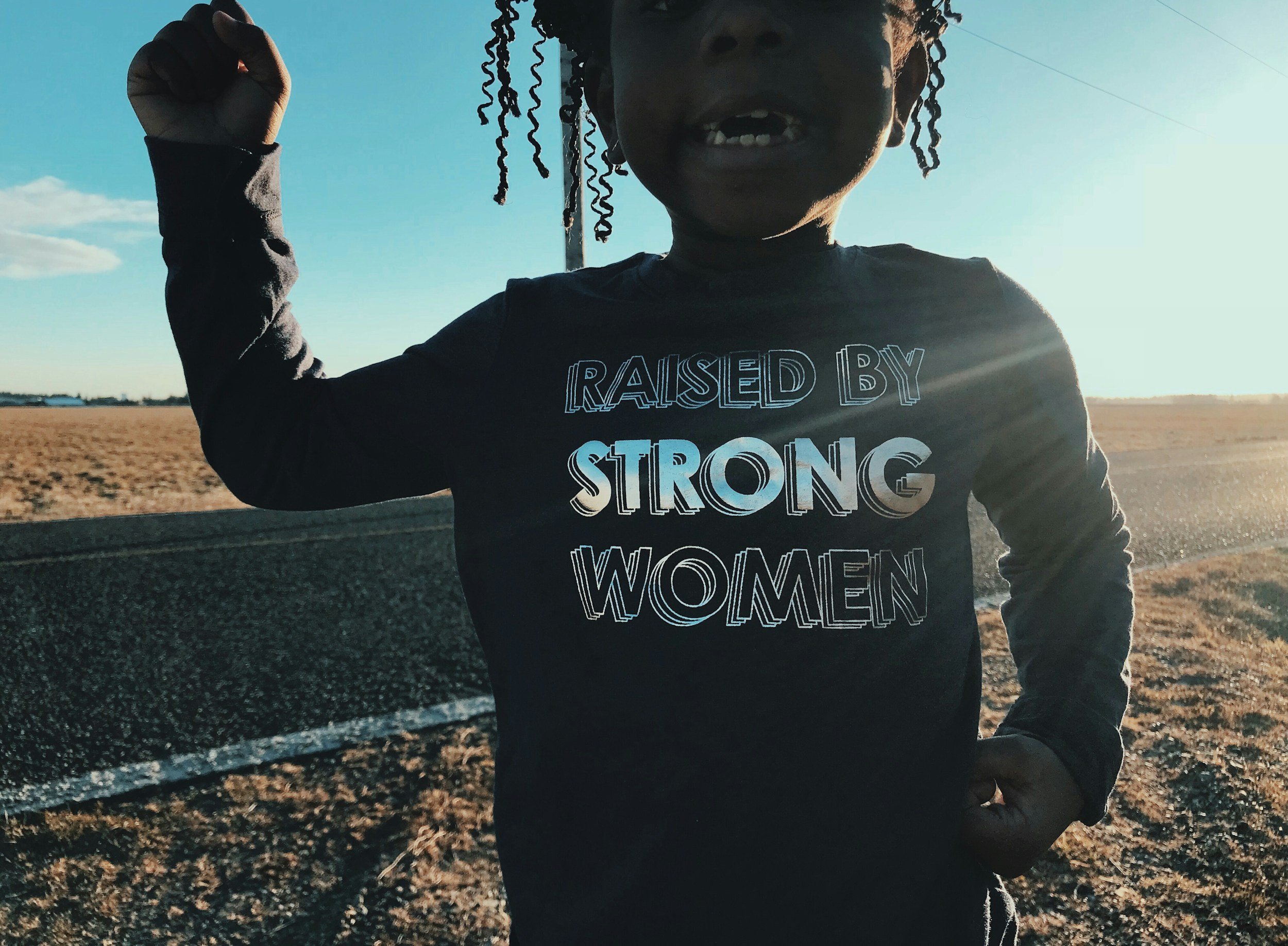
To raise a strong, brave girl is more than just encouraging her to be a leader. It requires giving her the tools, knoweldge, and confidence to understand her mind, emotions, and physical boundaries. This doesn’t start in preadolescence and adolescene, but at infancy and toddlerhood.
Strength as Bodily Autonomy: It starts with the ability to say "No" without an apology. We teach girls (and boys) about consent in the toddler years to give them agency over who and how other people touch them. This is done by allowing them to decide who and when they get hugs and kisses from. Its also important to teach the different between touch for health reasons (like during a doctor’s examination or a diaper change with a trusted adult) versus intimate touch that is not appropriate or doesn’t feel right, such as tickles. According to Zero to Three, supporting autonomy in toddlers is a critical milestone for long-term self-esteem.
The Confidence to Trust Intuition: By focusing on independence and self-awareness now, you are building the power and trust in her inner voice rather then being influenced by social pressure. The toddler years are when that inner voice is developed and cultivated and if it is positive and strong then they are more resilient and can face challenges, like social pressure, with more confidence.
Raising Empathetic and Kind Boys

If raising strong girls is about claiming space, raising empathetic boys is about cultivating emotional wellness and understanding. The traditional male role, which often prioritizes dominance and the suppression of vulnerability, has shown to negatively impact our boys and men today with the male isolation epidemic.
The Full Spectrum of Emotion: Boys need to experience sadness, disappointment, and fear without shame or reprimands. When a boy is allowed to cry and be comforted, he learns that vulnerability is safe to express without judgement. That there is a a form of strength in vulnerability and honest connection with others. This is vital to Somatic Regulation and Anxiety work. The core focus is on learning to identify and regulate emotion through the body in healthy ways in order to release them.
Empathy as a Skill: We cultivate empathy by encouraging naming our feelings and scaffolding perspective-taking of others. This starts with co-regulation between parent and child. When you sit with your son in his "Big Feelings," not fixing it, not suppressing it, not judging it, just being in the emotions with him and calming his nervous system. You are wiring his brain to understand his emotions, express his emotions in a healthy manner, and be able to understand the emotions of others, basically empathy.
The Power of the Home Library

I am a big advocate for using books to mirror the values you want to share with your children. Books are also a great tool for when you don’t know how to explain complex topics because they provide a foundation for you to reference or help guide your own conversations with your child.
Curation for Diversity: Fill your shelves with stories that center on inclusion, emotions, co-regulation, and . Resources like Slumberkins help with emotional expression, acceptance, regulation, and mantras.
Inclusive Stories: Look for titles that not only normalize the idea that there is no "right" way to be a boy or a girl, but counter the stereotypes of these gender roles. This provides a secure base from which your child can explore their own identities without fear of judgment. Examples are Pink is for Boys by Robb Pearlman, Julian is a Mermaid by Jessica Love, The Paperbag Princess by Robert Munsch (one of my personal favorites growing up), or Power to the Princesses Can Fix It by Tracy Marchini
Navigating the Internal Conflict
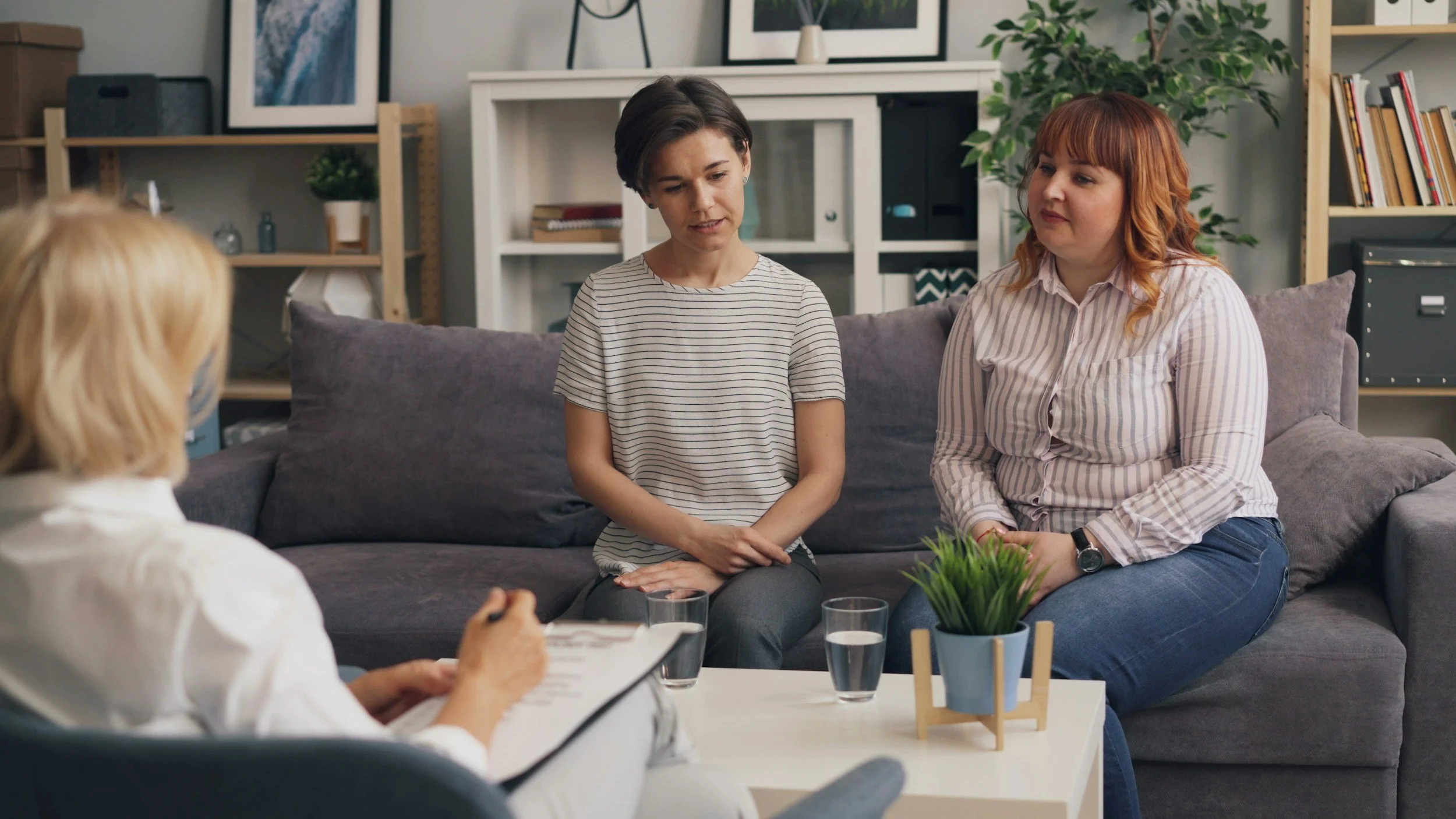
As a mother and a millennial, I get that you are also navigating your own history while trying to rewrite your child’s. This is where the identity earthquake of motherhood often hits hardest and reopens old wounds, its the reconciliation of the parent you want to be, but needing to unlearn your own biases and internal messaging from childhood. One way I support my clients with addressing these struggles is to guide them in understanding and gaining clarity on the parenting values. This helps them focus on what they want to pass down to their children and how to stay connected to those values. This helps you to feel confident in your parenting goals and ensures you have the emotional capacity to lead your children with intention.
Another important aspect to teaching these tools to your children is the community you bring around you to support and reaffirm this messaging to your child. If you are a working parent and navigating returning to work, that means your children are also recieving messaging about gender norms with those providers. That is why, when researching and deciding who will be providing childcare, you want their values to align with your own. Whether it is a family member, a nanny, or a day care center, its important that you feel like your child is getting consistent messaging about how you want them to advocate for their needs, have bodily autonomy, express and understand their emotoins, and have empathy for both boys and girls.
Raising strong girls and emotionally aware boys is difficult and exhausting work, but it is also an act of hope and transformative for the greater community and society. By refusing to let rigid gender norms dictate the outcomes and expectations of your child, you are breaking cycles that have negatively impacted our society for generations. You are creating a new world where a girl can be powerful and a boy can be tender. In doing so, you are raising the very people who will one day lead with the empathy and independence.
If you are navigating the complexities of parenting in early childhood and want to ensure your parenting aligns with your deepest values, I invite you to reach out. Please contact me for information regarding scheduling and pricing for my private practice therapy services in Campbell.
